Is MindSave approved by the FDA?
No. And the plain truth is that nothing in this aisle is. The FDA approves drugs. A dietary supplement is a different kind of product, and it goes on sale without that approval. So when you see a supplement page that says FDA approved, be careful. It is either wrong or it is borrowing a word.
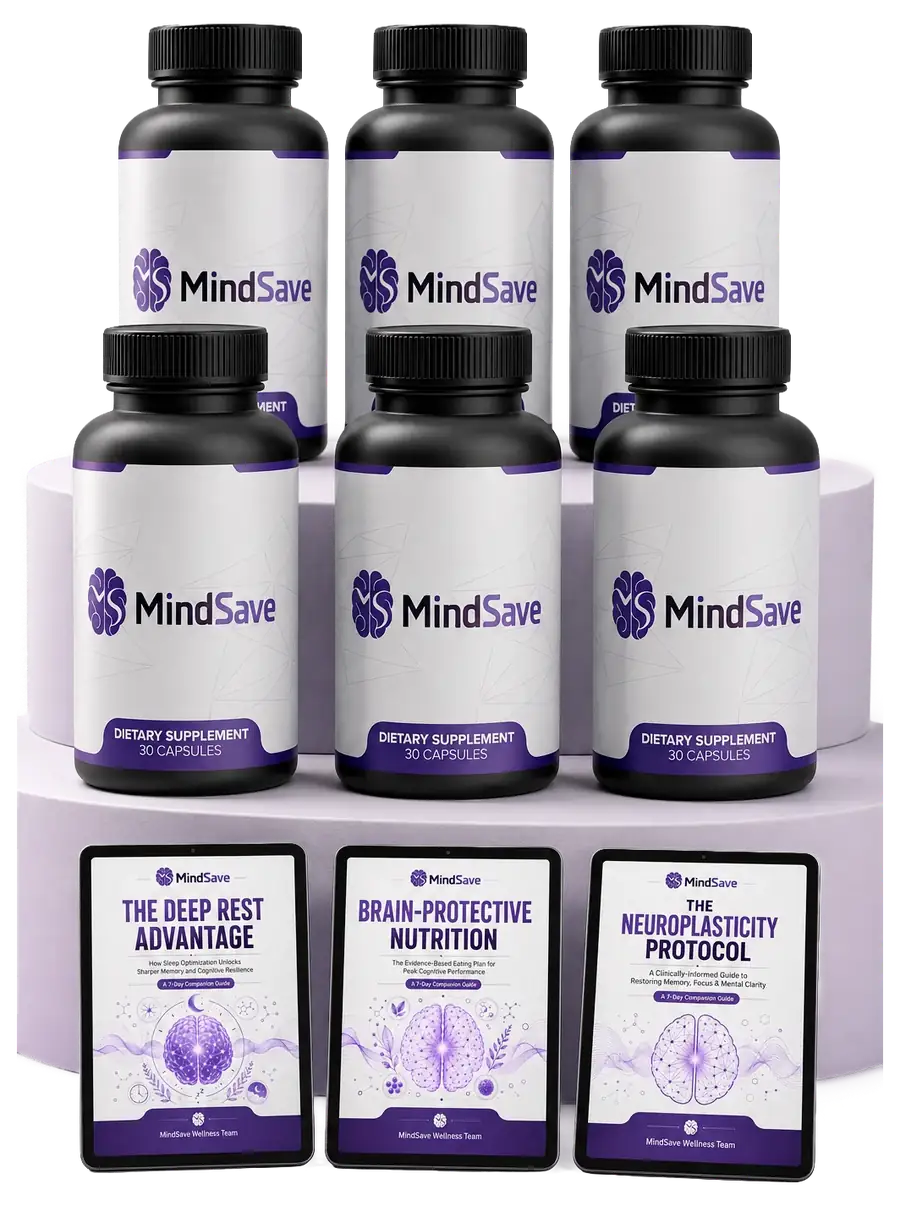
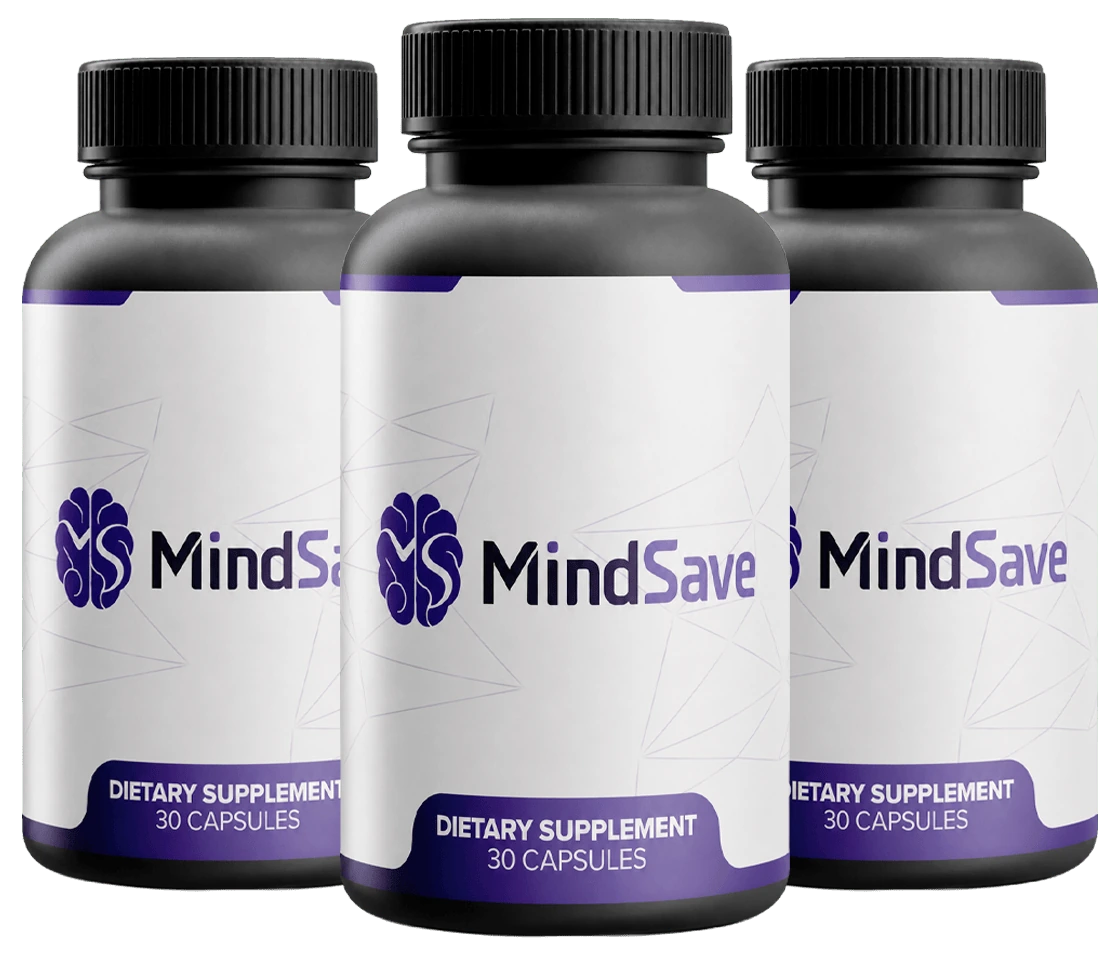
The bottle says what the product is: a dietary supplement. Beside that sits the standard note. The Food and Drug Administration has not evaluated the statements made, and the product is not meant to diagnose, treat, cure or prevent any disease. This website repeats the note on every page, and so does this post.
The FDA explains the idea on its pages about label claims for foods and dietary supplements. It sets out which claims a supplement label may make and which it may not.
What does FDA registered mean?
The seller’s artwork carries a roundel that reads Registered Facility, with the FDA letters on it. A plant that makes food or supplements can list itself with the FDA. Registration is a listing. The FDA knows the building exists.
It is not an inspection result. It is not a grade. And it is never an approval of one product made inside the building. So the seal can be true and still say nothing about this capsule. We say this because the two phrases look alike and people mix them up.
What about the GMP seal?
GMP stands for Good Manufacturing Practice. Of the four seals, this is the only one that describes an audited process. The trouble is what is missing. The seller does not publish the body that certified it or the date of the audit, so a reader cannot check it.
A seal you cannot check is a claim, not a proof. We list it because it is on the artwork, and we mark the gap beside it.
| Seal | What it can show | What is not published |
|---|---|---|
| GMP | A manufacturing standard is claimed | The certifying body and the audit date |
| 100% Money Back, 60 Days | A promise to the buyer | Nothing hidden; the wording is quoted on the guarantee page |
| Registered Facility (FDA) | The plant is on the FDA list | Any inspection result; any approval of the product |
| Foreign and Domestic Ingredients | Filled in the US, with ingredients bought at home and abroad | Which ingredient comes from where |
What can a supplement label say?
A supplement may describe how an ingredient supports a normal function of the body. It may not claim to treat, cure or prevent a disease. MindSave keeps to three phrases only: sharper memory, clearer focus and everyday cognitive performance. They are called structure and function statements. Read the FDA’s own page on structure and function claims and the rule in 21 CFR 101.93.
The label rules also say the amounts must be printed on the Supplement Facts panel of the bottle. That is 21 CFR 101.36. It is why the amounts for MindSave exist even though the sales page does not show them. You can read the rule on the eCFR page.
One of the eight ingredients, phosphatidylserine, has an FDA letter from 13 May 2003 about a qualified health claim for cognitive dysfunction and dementia. That letter is about the ingredient and about a limited claim. It is not an approval and it is not about MindSave. MindSave uses none of that claim’s wording, and this website does not either.
Why do some pages say a supplement is FDA approved?
Usually for one of three reasons. The first is a plain mistake. The second is a stretch: the page saw an FDA registered facility and shortened it. The third is on purpose, because the words sound safe.
You can protect yourself with one habit. When you see the word approved, look for what exactly was approved, and by whom. On a supplement page, the honest answers are usually a facility listing, a label statement or nothing. In the case of MindSave, this website says no approval exists, and it prints the label statement in the footer of every page.
What should you look for instead of approval?
If approval cannot be the test, use a different one. These checks take a few minutes and they are all things you can see.
- Are the amounts printed? On the bottle, yes. On the sales page, no. Read the bottle panel.
- Does the lot match? The label reference is MIN-26/MI-7343, with a certificate of analysis reference of MIN-7343-26-MI. These are label references, not a lab report.
- Are the claims modest? Three phrases are used: sharper memory, clearer focus and everyday cognitive performance. No disease is named.
- Can you reach the seller? Order support is +1 (302) 200-3480, and the website desk is [email protected].
- Is there a way back? Sixty days from purchase, empty bottles accepted.
None of these is an approval. Together they are a decent way to judge a product that has none.
So who is responsible for MindSave?
On this website the seller is Mindsaves, a retail desk in New York that calls itself the USA Authorized MindSave Retailer. It does not make or formulate the capsules, and the maker’s name is not published here. If the label on your bottle names a distributor, that is the next place to look.
What the seller can be held to is what it printed: the 60-day guarantee, the label caution and the claims on its pages. The FTC publishes health products compliance guidance that covers how health products should be advertised.
Frequently asked questions
Is MindSave FDA approved?
No. The FDA does not approve supplements, and MindSave is one. Its label states that the FDA has not evaluated the statements on it.
Is MindSave made in an FDA registered facility?
The seller’s artwork shows a Registered Facility roundel. Registration is a listing with the FDA, not an inspection result and not an approval of MindSave.
Is MindSave GMP certified?
A GMP seal appears on the artwork. Who certified it, and when, is not published, so you cannot check it from here.
Is MindSave a drug?
No. It is a dietary supplement. It does not claim to treat or cure anything, and it is not a treatment for memory loss or any condition.
Where is MindSave made?
The seller says the capsules are filled in the United States with ingredients that come from home and abroad. The name of the maker is not published on this website.
Does FDA approval matter for a supplement?
It cannot, because supplements are not approved first. What matters is a clear label, printed amounts on the bottle, honest claims and a seller you can reach. Ask a doctor about anything that touches your health.
Our view
The FDA question is the easiest one to answer and the easiest one to get wrong. No, MindSave is not approved. Yes, it can still be sold, because that is how supplements work. The seals on the artwork are real pictures, but each one proves less than it looks like it does.
We would not hold the missing approval against MindSave. We would hold it against any page that hints at one. Judge the label, the amounts on the bottle and the guarantee, and ask a doctor when your health is in play.
What this is and is not. MindSave is a dietary supplement. It is not a drug, it is not FDA approved, and no dietary supplement is. Nothing on this page presents it as a treatment for memory loss, dementia, Alzheimer’s disease, mild cognitive impairment or any other condition. If your memory or thinking is changing in a way that worries you, talk to a doctor. Ask a doctor or pharmacist before use if you take any prescription medicine.
Last updated October 16, 2026
Sources named on this page
- U.S. Food and Drug Administration. Label Claims for Conventional Foods and Dietary Supplements. https://www.fda.gov/food/nutrition-food-labeling-and-critical-foods/label-claims-conventional-foods-and-dietary-supplements
- U.S. Food and Drug Administration. Structure/Function Claims. https://www.fda.gov/food/nutrition-food-labeling-and-critical-foods/structurefunction-claims
- Electronic Code of Federal Regulations. 21 CFR 101.93 - Certain types of statements for dietary supplements. https://www.ecfr.gov/current/title-21/chapter-I/subchapter-B/part-101/subpart-F/section-101.93
- Electronic Code of Federal Regulations. 21 CFR 101.36 - Nutrition labeling of dietary supplements. https://www.ecfr.gov/current/title-21/chapter-I/subchapter-B/part-101/subpart-C/section-101.36
- U.S. Food and Drug Administration. Qualified Health Claims: Letters of Enforcement Discretion. https://www.fda.gov/food/nutrition-food-labeling-and-critical-foods/qualified-health-claims-letters-enforcement-discretion
- Federal Trade Commission. Health Products Compliance Guidance. https://www.ftc.gov/business-guidance/resources/health-products-compliance-guidance