Is niacin the same as niacinamide?
They are close relatives and not twins. Niacin and niacinamide both count as vitamin B3. The word niacin is also used in two ways. In everyday talk it can mean the whole vitamin. In a label, it can mean one particular form, often called nicotinic acid. Niacinamide, also called nicotinamide, is the other common form.
People search for this because a label reads one way and a bottle another. You may see niacin same as niacinamide asked in many forms. The short answer is that they are the same vitamin family, but they are not the same ingredient, and the form changes how some people feel after a capsule.
What is the flush, and why does the form matter?
Nicotinic acid can cause a flush. That is a warm, red feeling in the skin, sometimes with itching or tingling, usually on the face, neck and chest. It is not a danger sign. But it can alarm a first-time buyer who does not know what it is.
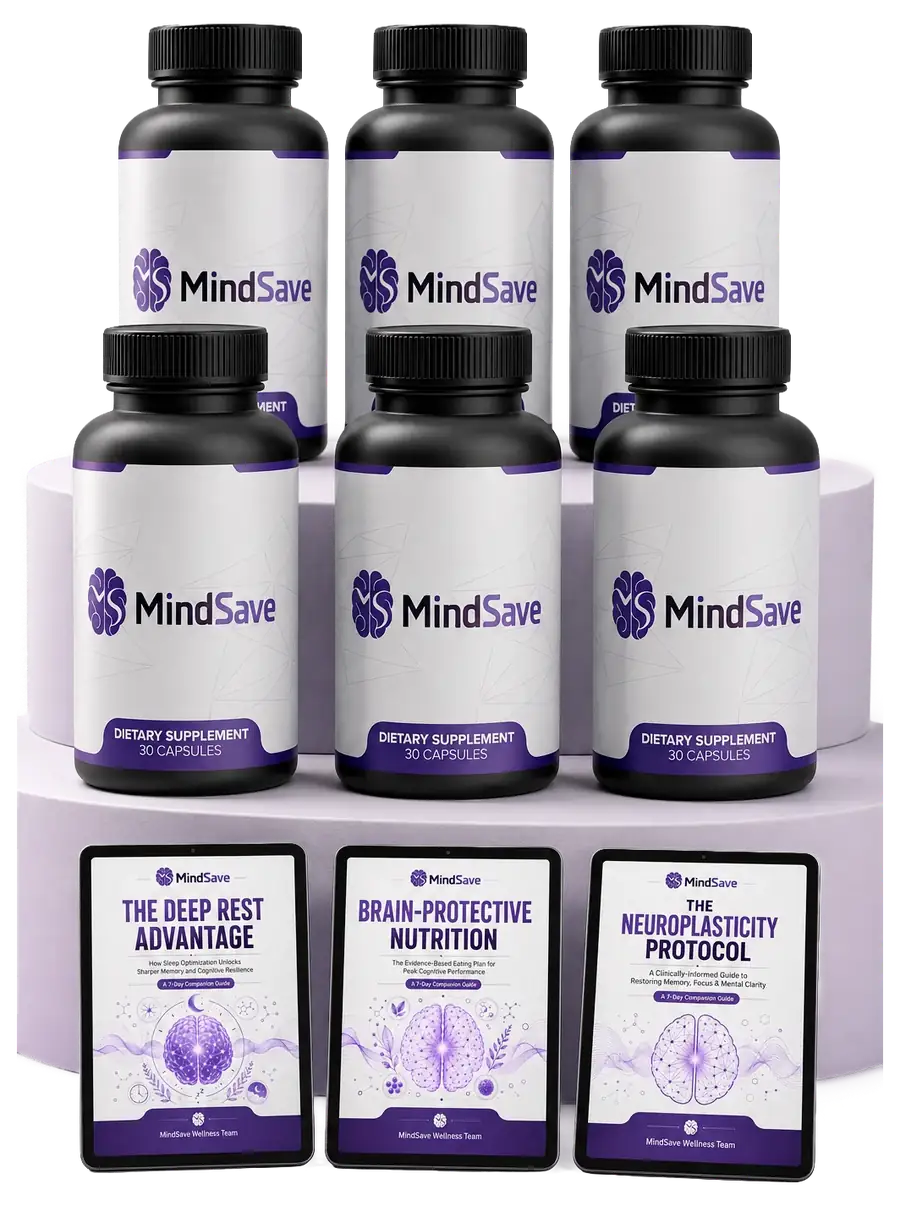
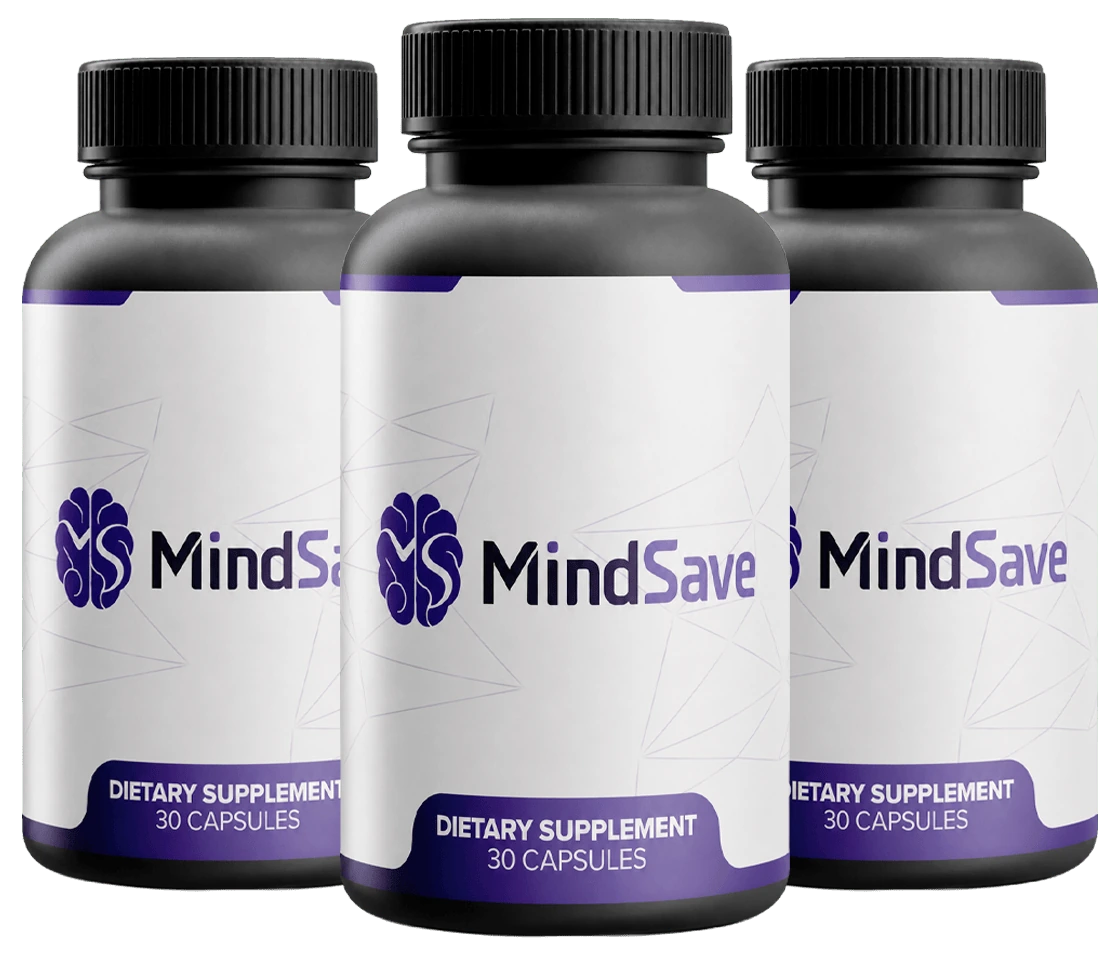
The MindSave ingredients page calls it the choice for a formulator who wants niacin but not the flush. That is why a label that says niacin as niacinamide is not an accident. It names a form on purpose.
This is a small, checkable fact, and we like it for that reason. It does not mean the capsule will improve your memory. It means one label detail was chosen with care.
How does MindSave list it?
The first of the eight names reads Niacin (as Niacinamide). The seller prints no amount on the sales page. The amount sits on the Supplement Facts panel of the bottle, because US labeling rules put it there. See 21 CFR 101.36.
One more detail is worth a glance. The seller’s artwork also holds a second formula, in a flat label image, that names thiamin and vitamin B12 and a blend with caffeine. This desk carries the eight names, and says that the panel on your own bottle settles which list is real. Read it for the line that begins with niacin.
| Point | Niacin (nicotinic acid) | Niacinamide |
|---|---|---|
| Vitamin family | Vitamin B3 | Vitamin B3 |
| Flush | Can cause one | The form used to avoid it |
| On the MindSave label | Not the form named | Named: Niacin (as Niacinamide) |
| Amount in MindSave | Not applicable | Not printed on the sales page |
Is there an upper limit for niacin?
Yes. For supplemental niacin, the NIH Office of Dietary Supplements lists 35 mg a day as the tolerable upper intake. You can read it on the niacin fact sheet. This page does not claim to know how that figure applies to each form, so if the numbers matter to you, ask a pharmacist and bring the bottle.
Do not forget the stacking sum. The second vitamin on the list, B6, carries a 100 mg a day ceiling that covers both food and supplements. See the vitamin B6 fact sheet. If you already take a multivitamin or a B-complex, put its panel beside the MindSave panel and add up each vitamin.
What are the common mix-ups?
Three mix-ups come up often. Knowing them saves time.
- Assuming niacin means one thing. On a label the word may mean the vitamin in general or one form of it. Read the brackets.
- Assuming the no-flush form has no limit. A limit applies to the nutrient as a whole when you add up supplements and fortified foods. Ask a pharmacist how it works for your mix.
- Assuming a vitamin on a memory label is a memory ingredient. A vitamin may be there for the vitamin. The label for MindSave makes no claim about what the niacinamide does on its own.
The same care applies to the second vitamin on the list. Vitamin B6 can be found in a multivitamin, a B-complex and some fortified foods, so the sum is the thing to watch.
What is not published about the niacinamide in MindSave?
The amount. The seller names the form on its sales page and stops there. There is also no published study of the finished capsule, so no result can be tied to this niacinamide at this amount.
The certificate of analysis reference, MIN-7343-26-MI, is printed as a label reference. This desk has not read a laboratory report behind it. A lot code says nothing about purity or potency, so do not expect it to tell you how much of a vitamin is in the bottle.
Does niacin or niacinamide help memory?
The NIH niacin fact sheet is cited on this website for the reference limit, and not for a memory claim. Its page adds that evidence has not shown vitamin B6, vitamin B12 or folic acid to improve cognitive function in older adults. Read its page on supplements for cognitive function.
So treat niacinamide here as one nutrient in a list, not as the reason to buy. MindSave is a dietary supplement, and it does not treat memory loss or any condition. No published clinical trial has tested the finished capsule.
What should you check on your bottle?
- Find the line that begins with niacin. Check whether it says niacinamide.
- Read the amount beside it, and note the unit.
- Find the vitamin B6 line and note its amount too.
- Compare both with any multivitamin or B-complex you take.
- If a number worries you, ask a pharmacist with the bottle in your hand.
If the panel names something you did not expect, ring order support on +1 (302) 200-3480 before you post anything back.
Frequently asked questions
Is niacin the same as niacinamide?
They are two forms of vitamin B3, not the same ingredient. A maker who wants the vitamin without nicotinic acid’s flush picks niacinamide.
Which form of niacin is in MindSave?
The first name on the list reads Niacin (as Niacinamide). The amount is not printed on the sales page and appears on the Supplement Facts panel of the bottle.
Will MindSave make my skin flush?
The label names niacinamide, the form chosen to avoid the nicotinic acid flush. No amount is published on the sales page, so read your bottle’s panel and ask a pharmacist if in doubt.
How much niacin is too much?
NIH gives 35 mg a day as the upper level for supplemental niacin. Count every supplement and fortified food, and ask a pharmacist how it applies to each form.
Does niacinamide improve memory?
This website makes no such claim. The NIH fact sheet is cited for the reference limit. MindSave does not treat memory loss or any condition.
Should I take MindSave with a multivitamin?
Compare the panels first. For B6 the ceiling is 100 mg a day, and for supplemental niacin it is 35 mg a day. Ask a pharmacist if the totals look close.
Our view
The niacin question looks small, and it is. But it shows how a label should be read. One parenthetical, as niacinamide, tells you the form. The missing amount tells you what the seller chose not to say before the sale.
We would not buy or skip MindSave because of this one name. We would use it as practice: find the form, find the amount, add up the vitamins you already take, and ask a pharmacist when a number worries you.
What this is and is not. MindSave is a dietary supplement. It is not a drug, it is not FDA approved, and no dietary supplement is. Nothing on this page presents it as a treatment for memory loss, dementia, Alzheimer’s disease, mild cognitive impairment or any other condition. If your memory or thinking is changing in a way that worries you, talk to a doctor. Ask a doctor or pharmacist before use if you take any prescription medicine.
Last updated October 16, 2026
Sources named on this page
- NIH Office of Dietary Supplements. Niacin: Fact Sheet for Health Professionals. https://ods.od.nih.gov/factsheets/Niacin-HealthProfessional/
- NIH Office of Dietary Supplements. Vitamin B6: Fact Sheet for Health Professionals. https://ods.od.nih.gov/factsheets/VitaminB6-HealthProfessional/
- Electronic Code of Federal Regulations. 21 CFR 101.36 - Nutrition labeling of dietary supplements. https://www.ecfr.gov/current/title-21/chapter-I/subchapter-B/part-101/subpart-C/section-101.36
- National Center for Complementary and Integrative Health, National Institutes of Health. 7 Things To Know About Dietary Supplements for Cognitive Function, Dementia, and Alzheimer's Disease. https://www.nccih.nih.gov/health/tips/things-to-know-about-dietary-supplements-for-cognitive-function-dementia-and-alzheimers-disease