MindSave Official Website Label Desk MindSave Checklist: Before You Take Your First Capsule
MindSave Checklist: Before You Take Your First Capsule
MindSave is sold as a once-daily capsule. Before a first order or a first capsule, use the published facts to decide what you can confirm, what you cannot infer and which questions belong with a clinician or pharmacist.
- Begin with the facts the MindSave official website actually publishes. MindSave is a dietary supplement for adults. The published routine is one capsule daily with 6 to 8 oz of water, and a bottle is a 30-day supply.
- The named list is not a dosage list. The sales information names eight ingredients but does not publish milligram amounts. A name alone cannot establish the amount, effect or suitability of a finished formula.
- A medication check comes before a supplement experiment. Bring an up-to-date medicines and supplements list to a pharmacist or clinician, especially if you have a condition, take prescription medicine, are pregnant or nursing, or have a planned procedure.
- Use the 60-day window as a purchase detail, not as a health promise. The published return policy describes a 60-day money-back window. Keep the order email and review the current sales-page terms before purchase.
1. Confirm the product facts before the first capsule
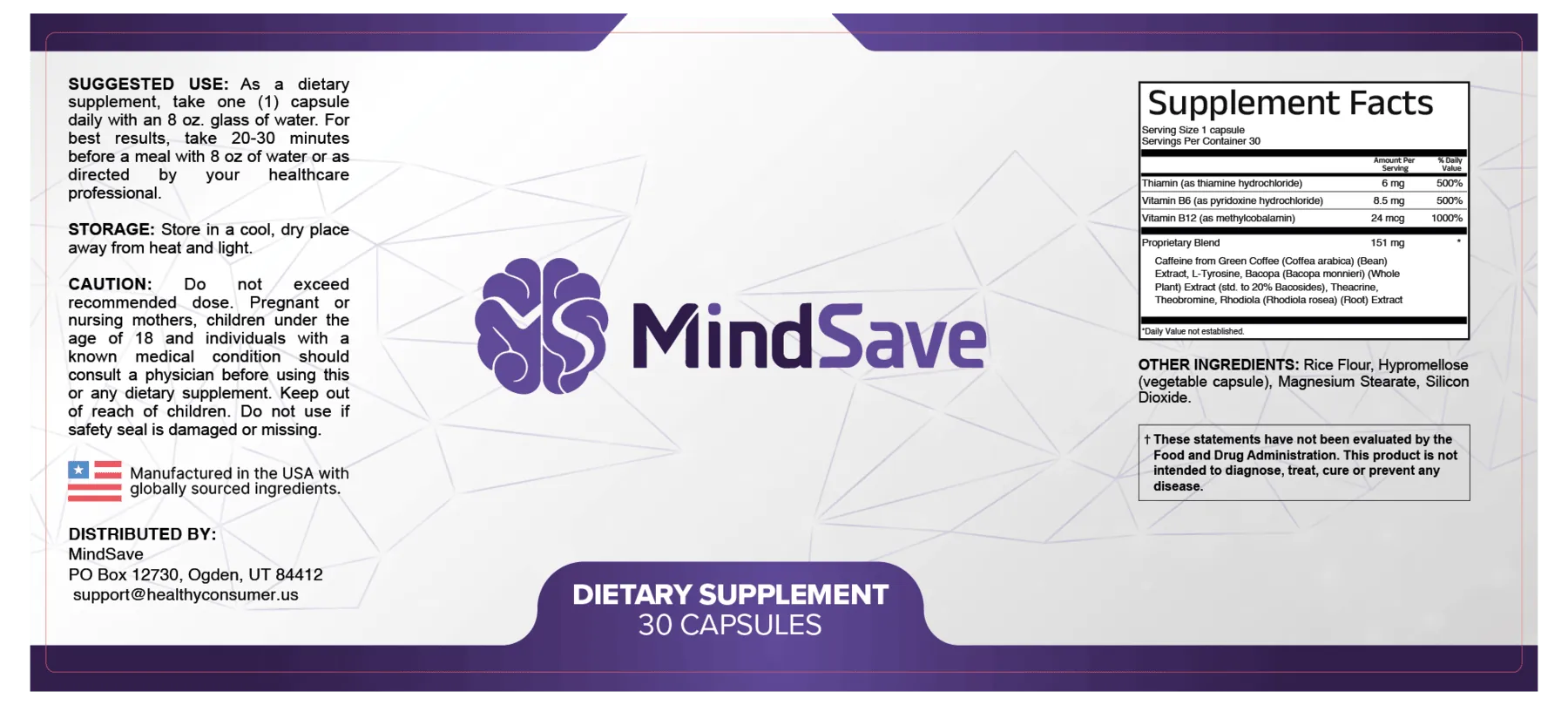
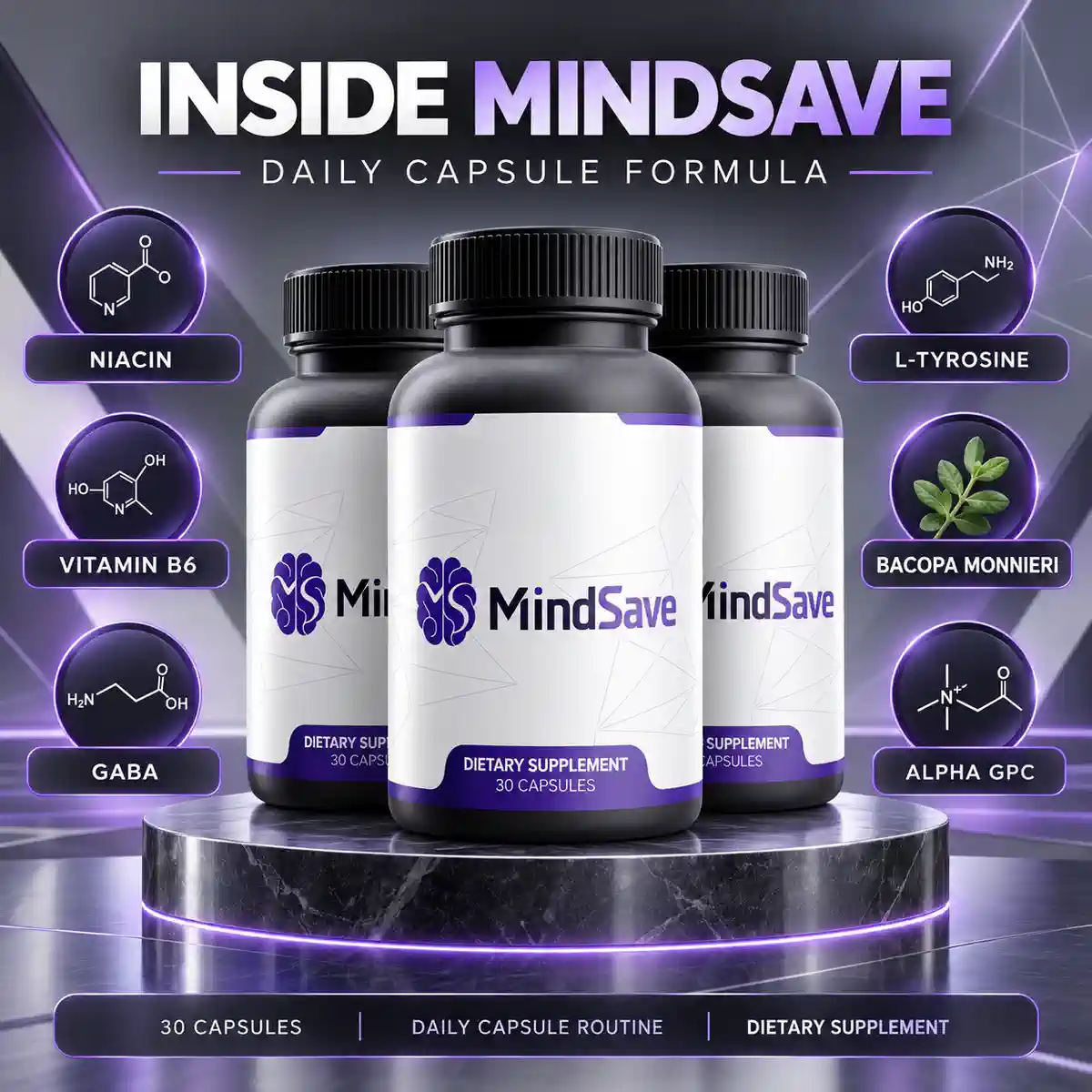
A useful first check separates product facts from hopes about a product. The MindSave sales information describes a capsule for adults, one capsule each day with 6 to 8 oz of water and 30 capsules per bottle. It names niacin as niacinamide, vitamin B6, GABA, L-tyrosine, bacopa monnieri, alpha GPC, phosphatidylserine and huperzine A. Those are the details a shopper can write down before a purchase.
The same page uses support language about sharper memory, clearer focus and everyday cognitive performance. That is the brand's product positioning, not proof that a particular person will experience those outcomes. A reader-first decision starts by keeping those two categories separate: the routine and named ingredients are product information; an individual response is not printed on the page.
The most practical question is simple: does the published routine fit your day? A once-daily capsule may be easy to remember when tied to an existing event such as breakfast, filling a water bottle or setting out a planner. If a daily routine is not realistic, buying more bottles does not solve that mismatch. Start with the habit you can actually keep.
Also confirm that the product name, capsule count and retailer match what you intended to buy. A bottle photograph, a similar product name or a broad cognition claim is not a substitute for checking the actual listing. The official website should show the form, serving routine and current purchase terms before an order is placed.
2. Read the eight names as a question list
An ingredient list is useful, but it is not a ranking. MindSave names eight ingredients. The list tells a shopper what topics to ask about and what to compare against existing products at home. It does not tell a shopper how much of each ingredient is in the finished capsule, whether the ingredients were studied together or whether the formula fits one person's health history.
That difference matters when research is mentioned online. A study can examine one ingredient, a specified dose, a particular population and a defined time period. None of those details automatically transfer to a branded blend with unpublished amounts. The honest comparison is between like documents: a study's stated protocol on one side, and the product's published facts on the other.
The two nutrients on the list, niacin and vitamin B6, are also a reason to total up everything already in a routine. The NIH fact sheets explain that total intake can come from food and supplements. The MindSave sales information does not publish milligram amounts, so a pharmacist cannot calculate a combined amount from that page alone. Bring the bottle and every other supplement label to the conversation.
The remaining names do not make the formula a diagnosis or a treatment. Memory changes, confusion, a rapid new problem with thinking or a concern raised by family deserve medical attention. The National Institute on Aging does not recommend a vitamin or supplement for preventing cognitive decline, which is a useful boundary when a supplement ad sounds more certain than the evidence allows.
| Published name | Useful question before starting |
|---|---|
| Niacin (as niacinamide) | Am I already using another multivitamin or energy product with niacin? |
| Vitamin B6 | Do any current products already contain vitamin B6? |
| GABA | Have I listed every medicine and supplement for a pharmacist to review? |
| L-Tyrosine | Is there a reason to ask a clinician before adding a new supplement? |
| Bacopa Monnieri | What exact amount does the bottle identify, if any? |
| Alpha GPC | Am I treating a brand name as if it were a clinical recommendation? |
| Phosphatidylserine | Does a study I found examine this product and its published amount? |
| Huperzine A | Have I asked about medicines, surgery or a new symptom first? |
These are shopping and safety questions, not treatment guidance. The sales page does not publish milligram amounts for the eight names.
3. Put a medication and symptom check ahead of a new routine
Before adding any supplement, make one list of prescriptions, over-the-counter medicines, herbs, vitamins, powders, drinks and other capsules. Include the reason you take them and when you take them. A short list on a phone is more useful than trying to remember a routine in a pharmacy aisle or during a rushed appointment.
The National Center for Complementary and Integrative Health notes that supplements and medicines can interact in ways that increase or reduce an effect or create harm. That is not a claim that MindSave will interact with a particular medicine. It is the reason a person taking medicines needs personal advice instead of an online guess based only on an ingredient name.
Do not use a new capsule to delay help for a worrying change in memory or thinking. New confusion, safety concerns, trouble managing ordinary tasks, a sudden change or a concern from a family member should move the decision toward a clinical assessment. A supplement website cannot evaluate those signs, and this guide does not try to do so.
The same pause is sensible before a procedure, during pregnancy or nursing, or when someone is managing a long-term condition. The right question for the professional is not 'will this work?' It is 'here is the exact product, serving routine and my current list—what should I know before I add it?' That question gives them something real to assess.
4. Make the 30-day routine visible
The published serving direction is one capsule daily with 6 to 8 oz of water. A 30-capsule bottle is therefore a 30-day supply when used as directed. Treat that as a calendar fact. It tells you when a bottle would be expected to run out; it does not define a guaranteed timeline for an outcome.
Choose one consistent cue rather than chasing perfect timing. Some people place the bottle beside a water glass, others use a calendar reminder or connect it to breakfast. The cue should be ordinary and safe for the person, not a complicated rule that makes the routine harder. Keep the bottle as directed on its label and out of reach of children.
A small note can make the routine easier to review. Record the date started, the serving direction you followed, missed doses, other changes in caffeine, sleep, work schedule or medicines, and anything you want to discuss with a professional. Do not turn the note into a self-diagnosis or a reason to push through a concerning symptom.
If you decide not to continue, the product's return terms are a separate purchase issue. Read the current terms on the sales page and keep the order email. The published information says a 60-day money-back window is available; the order desk, rather than a blog post, is the appropriate place to confirm a specific order or return.
| When | What to check |
|---|---|
| Before ordering | Product name, capsule form, one-per-day direction, current prices and return terms. |
| First day | Bring a current medicines and supplements list to a professional if advice is needed. |
| During the bottle | Follow the label; note missed doses or questions without treating a note as medical evidence. |
| Before reordering | Review the current listing and decide whether the routine still makes sense for you. |
This is a planning calendar, not a promised results timeline.
5. Compare packs by time and terms, not pressure
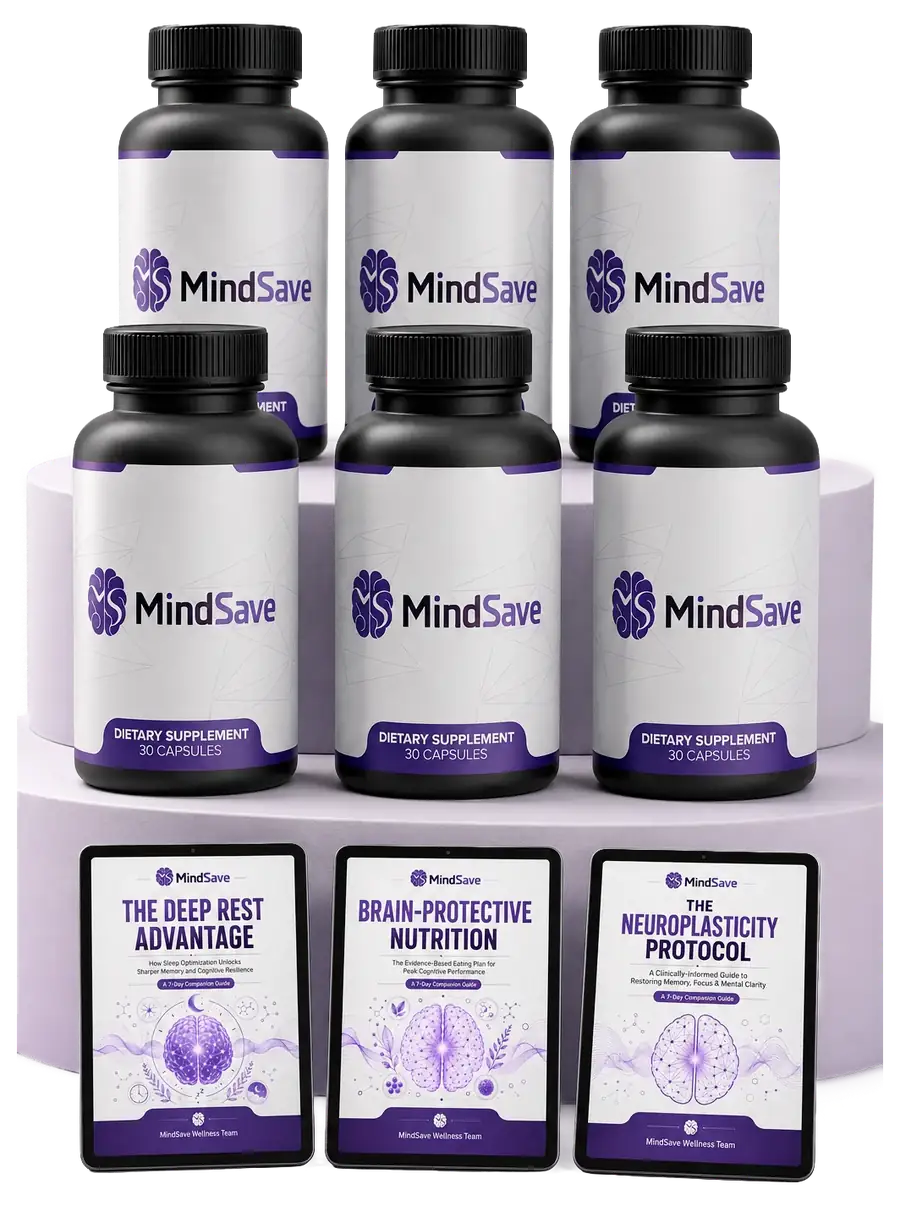
MindSave's published options are two bottles at $79 each, three bottles at $69 each and six bottles at $49 each. Each bottle is described as a 30-day supply, so the meaningful comparison is not just a larger number of bottles. It is how many days of a once-daily product someone wants to pay for before they have confirmed that the routine and purchase terms fit them.
A larger pack can lower the listed per-bottle price, but it also commits more money at checkout. The site describes a 60-day money-back guarantee. That is a purchase policy, not a reason to assume every multi-bottle order will be appropriate. Review the current page, the shipping information and the return instructions before choosing an option.
Avoid urgency language that turns a supply choice into a health decision. A legitimate choice can be as modest as buying no product, asking a pharmacist first, or choosing the amount that matches the time you are comfortable managing. The best pack for a shopper is the one whose price, storage, routine and current terms they understand.
When checking out, save the order email. The pack states that the order desk handles tracking, changes and refunds. Keep the confirmation number, the product received and the current policy together. That makes a later question about an order much easier to resolve than relying on a remembered promotion.
| Pack | Listed price | Calendar at one capsule daily |
|---|---|---|
| 2 bottles | $158 total ($79 each) | About 60 days |
| 3 bottles | $207 total ($69 each) | About 90 days |
| 6 bottles | $294 total ($49 each) | About 180 days |
Prices and terms can change. Confirm the live official website before purchase.
6. Keep the decision user-centered
A user-centered supplement decision leaves room for a no. You do not need to justify a pause, a question for a clinician or a choice to use no supplement. The product page can explain a product. It cannot know a person's medicines, symptoms, budget or priorities.
If you do purchase MindSave, use the product facts as a checklist: capsule, one daily with water, 30 capsules, eight names, unpublished milligram amounts, listed pack prices and the current return policy. That is enough to make a clear purchase decision without turning an ingredient list into a promise.
For concerns about a current order, use the contact route printed with the order information. For concerns about health, memory or medicines, use a qualified clinician or pharmacist. Keeping those routes separate is part of being a careful shopper, not a barrier to asking for help.
The aim of this guide is not to tell you what to buy. It is to make the next question easier: what can I confirm from the official website, what needs a professional answer and what does my own daily routine make realistic?
What this is and is not. MindSave is a dietary supplement. It is not a medicine and nothing here presents it as a treatment for memory loss, dementia, Alzheimer’s disease or mild cognitive impairment. The National Institute on Aging recommends no vitamin or supplement for preventing cognitive decline. If your memory or your thinking is changing in a way that worries you or the people around you, that is a reason to book an assessment, and it is not a reason to start a capsule instead.
Sources cited above
- Electronic Code of Federal Regulations. 21 CFR 101.36 - Nutrition labeling of dietary supplements. https://www.ecfr.gov/current/title-21/chapter-I/subchapter-B/part-101/subpart-C/section-101.36
- NIH Office of Dietary Supplements. Niacin: Fact Sheet for Health Professionals. https://ods.od.nih.gov/factsheets/Niacin-HealthProfessional/
- NIH Office of Dietary Supplements. Vitamin B6: Fact Sheet for Health Professionals. https://ods.od.nih.gov/factsheets/VitaminB6-HealthProfessional/
- National Center for Complementary and Integrative Health, National Institutes of Health. Know the Science: How Medications and Supplements Can Interact. https://www.nccih.nih.gov/health/know-science/how-medications-supplements-interact
- National Institute on Aging, National Institutes of Health. Cognitive Health and Older Adults. https://www.nia.nih.gov/health/brain-health/cognitive-health-and-older-adults
- U.S. Food and Drug Administration. Label Claims for Conventional Foods and Dietary Supplements. https://www.fda.gov/food/nutrition-food-labeling-and-critical-foods/label-claims-conventional-foods-and-dietary-supplements
MindSave questions from this guide
These answers repeat the published product facts and the limits of this guide.
How do I take MindSave?
The published direction is one capsule daily with 6 to 8 oz of water. Check the current official website and the bottle for the serving direction that applies to your order.
Does the MindSave sales information publish ingredient amounts?
It names eight ingredients but does not publish milligram amounts. Do not treat a study dose or nutrient reference number as the amount in this capsule.
When should I ask a pharmacist or clinician first?
Ask for personal advice if you take medicines or other supplements, have a condition, are pregnant or nursing, have a procedure planned, or have a new or worrying change in memory or thinking.
What return window is published for MindSave?
The published product information describes a 60-day money-back window. Review the current sales-page terms and keep the order email for order-specific questions.
Order MindSave on the official website
Eight names published before the sale, every amount printed on the panel that arrives with the bottles, and sixty days to change your mind.
$49 to $79 a bottle · 60 days to change your mind
Order MindSave On The Official WebsiteFree US shipping on six bottles · 60-day money-back guarantee, empty bottles accepted · lot MIN-26/MI-7343