Do brain supplements really work?
Some people feel a difference, and some do not. That is not very satisfying, but it is accurate. A supplement is not a medicine. It has not been approved by the FDA before sale. The big public health bodies are cautious about the whole group.
The National Institute on Aging puts it plainly: it has no vitamin or supplement to recommend for stopping Alzheimer’s or other cognitive decline right now. The National Center for Complementary and Integrative Health publishes a short guide, 7 things to know about dietary supplements for cognitive function. Read both before you spend anything.
So when a page says memory supplements work, ask three questions. Which ingredient? At what dose? In which people? Without those three answers, the word works means very little.
Why is the evidence so uneven?
Because a product is a bundle and a study is not. Researchers test one ingredient at one dose in one group of people. Then a seller puts several ingredients in a capsule and prints the research of each. The result may look strong, while the bundle itself has never been tested.
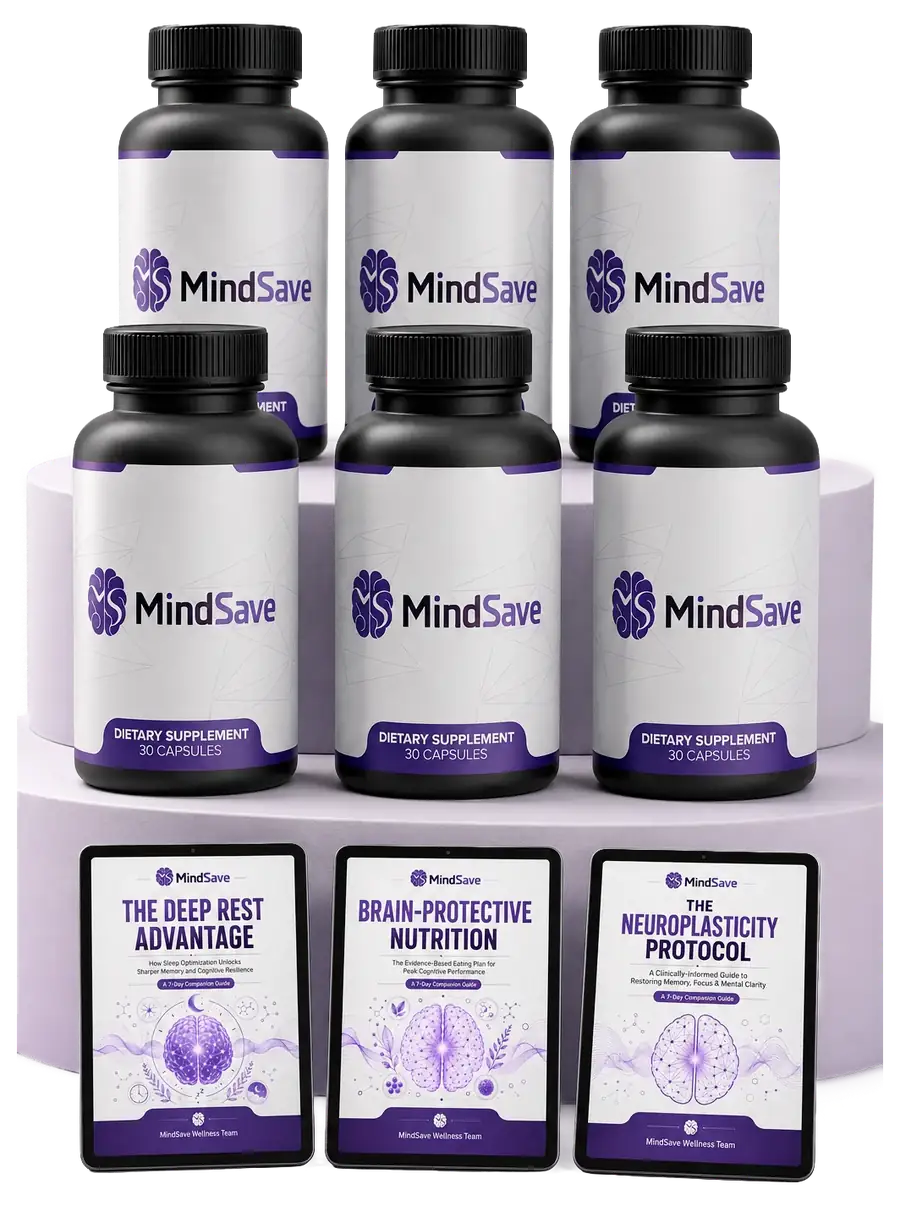
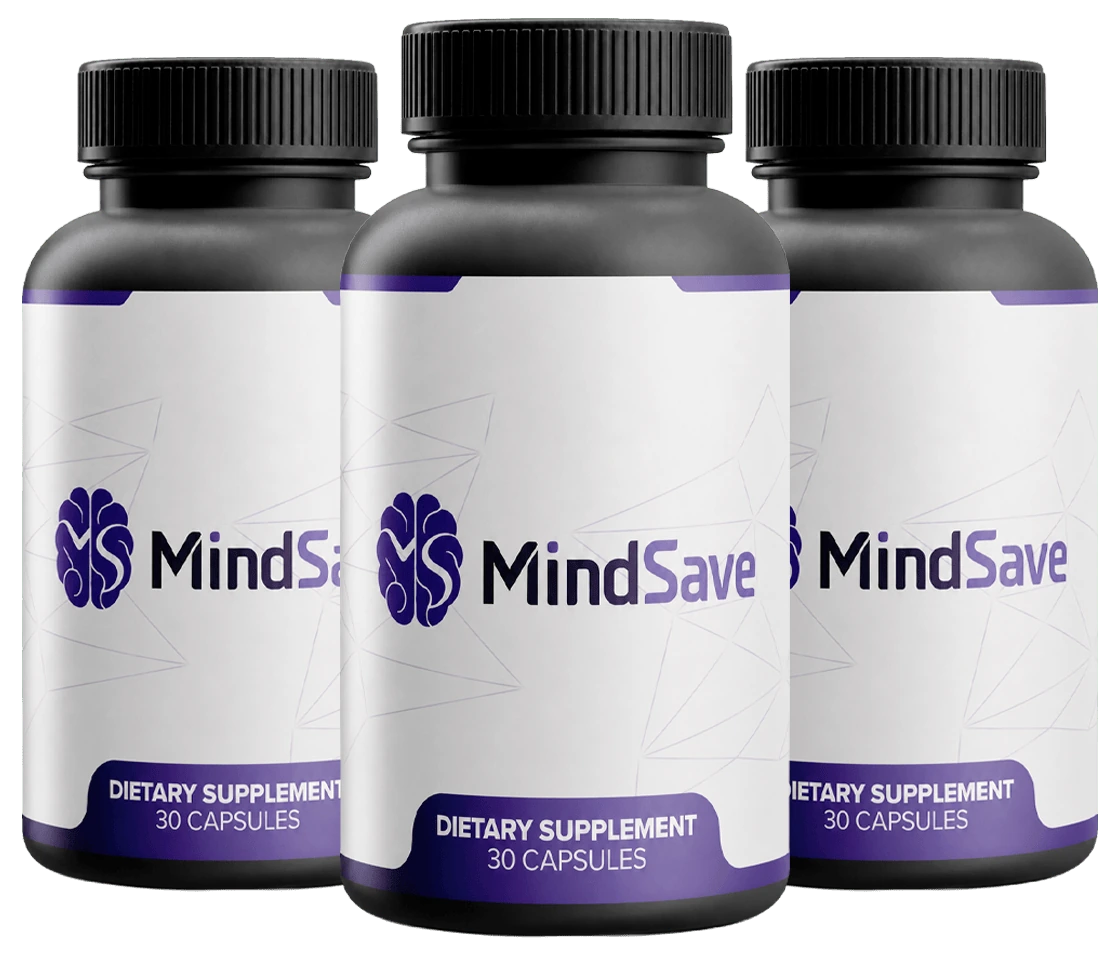
MindSave is a good example. It names eight ingredients, and the research on them varies a lot. Bacopa monnieri has the longest trial record, and trials ran for 12 weeks or more. L-tyrosine findings cluster in short, stressful conditions. GABA is argued over, because it is unclear whether it reaches the brain when taken by mouth. Huperzine A has no eligible placebo-controlled trial in mild cognitive impairment in the Cochrane review. None of this tested the MindSave capsule. The finished product has no trial of its own.
| What the label may show | What it may not show |
|---|---|
| Ingredient names with study links | That the study used the same dose as the capsule |
| A list of eight names | That the eight were ever tested together |
| Words like supports or helps | That any condition was treated |
| A star score | Who collected it, and what the low stars said |
Are brain supplements safe?
Many are fine for healthy adults who follow the label. But safe depends on you. It depends on what else you take, on any condition you live with, and on the amounts, which you can only judge if they are printed.
- Vitamins add up. Supplemental niacin tops out at 35 mg a day and vitamin B6 at 100 mg a day, and your multivitamin counts toward both.
- Medicines can interact. The NIH explains this on its page about how medications and supplements can interact.
- Stimulants hide in blends. Check the panel for caffeine and its relatives if you avoid them.
- Pregnancy and nursing call for a doctor’s advice before any supplement. Under-18s should not use adult products like this.
Is brain fog a supplement problem?
Often it is not. Brain fog has many causes, and a capsule is rarely the first thing to check. Sleep, food, exercise and hearing checked properly come before any pill. A change that worries you, or the people around you, is a matter for a doctor.
This includes brain fog around menopause. MindSave makes no claim about it, and it is not for anyone pregnant or nursing. A doctor can look at the causes. A supplement cannot do that for you.
The same is true of attention problems. People search for focus supplements for ADHD, but MindSave is not a treatment for attention disorders, and none of its claims touch them. Ask a clinician about attention and diagnosis.
What can a supplement label promise?
Less than you might think. A label may say that an ingredient supports a normal function, such as memory or focus. It may not say that it treats, cures or prevents a disease. The FDA explains the line on its page about structure and function claims.
A matching note appears on those labels: the FDA has not evaluated the statements. Do not skip it as small print. It is the label telling you the claim has not been checked in advance.
When a page crosses that line and talks about reversing memory loss, curing brain fog or beating dementia, close it. A supplement that is honest about itself will use modest words, as MindSave does with sharper memory, clearer focus and everyday cognitive performance.
How do you choose a supplement without being fooled?
- Look for printed amounts. If the amounts are not on the sales page, make sure they are on the bottle, and read them before the first capsule.
- Check the claims. Modest wording such as supports sharper memory is allowed. Treats, cures or prevents is not.
- Look at the reviews’ source. Is it an independent site or the seller’s own record?
- Read the refund terms. How many days? Are empty bottles accepted? Who pays postage?
- Find a person. A real phone number and email are a good sign.
- Tell your doctor. Bring the bottle and the panel.
The FTC publishes health products compliance guidance that gives a sense of how health claims are meant to be handled.
Where does a capsule like MindSave fit?
It fits as a modest daily habit for a healthy adult who has read the label. It makes three limited claims, it names eight ingredients, it prints no amounts on the sales page and it has a 60-day guarantee. It is not a treatment, it is not FDA approved and it is not a proven fix.
If you want to know more about this specific product, start with our post on what MindSave is and then read whether it works.
Frequently asked questions
Do brain supplements really work?
Evidence is mixed and depends on the ingredient, the dose and the people studied. The National Institute on Aging has no vitamin or supplement to recommend for preventing Alzheimer’s or other cognitive decline.
Are memory supplements safe?
Many are fine for healthy adults who follow the label, but safety depends on dose, other supplements and medicines. Ask a doctor or pharmacist, especially if you are pregnant, nursing or take medicine.
Is brain fog a reason to take a supplement?
Not by default. Sleep, food, exercise and a hearing check come first, and a change that worries you deserves a doctor.
Can a focus supplement help with ADHD?
MindSave is not a treatment for attention disorders and makes no such claim. Speak to a clinician about attention or a diagnosis.
How do I spot a brain supplement scam?
Watch for claims of cures, hidden amounts, fake urgency and no clear refund or contact. Look for printed amounts, modest claims, a written guarantee and a reachable person.
Is MindSave a brain supplement?
People search for it that way. It is a capsule supplement taken daily, with eight named ingredients and three label phrases: sharper memory, clearer focus and everyday cognitive performance. It is not FDA approved.
Our view
Brain supplements are not a scam by category, and they are not a shortcut either. The research is thin and uneven, the biggest health bodies urge caution, and what a label shows is only part of the story. That is a sober place to start from.
Our advice is to put the basics first: sleep, food, exercise and a doctor for any worry. If you still want a capsule, choose one that prints its amounts, makes modest claims and gives you a clear way out. Then test it honestly, and keep your expectations small.
What this is and is not. MindSave is a dietary supplement. It is not a drug, it is not FDA approved, and no dietary supplement is. Nothing on this page presents it as a treatment for memory loss, dementia, Alzheimer’s disease, mild cognitive impairment or any other condition. If your memory or thinking is changing in a way that worries you, talk to a doctor. Ask a doctor or pharmacist before use if you take any prescription medicine.
Last updated October 16, 2026
Sources named on this page
- National Institute on Aging, National Institutes of Health. Cognitive Health and Older Adults. https://www.nia.nih.gov/health/brain-health/cognitive-health-and-older-adults
- National Center for Complementary and Integrative Health, National Institutes of Health. 7 Things To Know About Dietary Supplements for Cognitive Function, Dementia, and Alzheimer's Disease. https://www.nccih.nih.gov/health/tips/things-to-know-about-dietary-supplements-for-cognitive-function-dementia-and-alzheimers-disease
- National Center for Complementary and Integrative Health, National Institutes of Health. Know the Science: How Medications and Supplements Can Interact. https://www.nccih.nih.gov/health/know-science/how-medications-supplements-interact
- NIH Office of Dietary Supplements. Vitamin B6: Fact Sheet for Health Professionals. https://ods.od.nih.gov/factsheets/VitaminB6-HealthProfessional/
- NIH Office of Dietary Supplements. Niacin: Fact Sheet for Health Professionals. https://ods.od.nih.gov/factsheets/Niacin-HealthProfessional/
- Pase MP, Kean J, Sarris J, Neale C, Scholey AB, Stough C. The cognitive-enhancing effects of Bacopa monnieri: a systematic review of randomized, controlled human clinical trials. J Altern Complement Med. 2012;18(7):647-52. PMID 22747190. https://pubmed.ncbi.nlm.nih.gov/22747190/
- Attipoe S, Zeno SA, Lee C, Crawford C, Khorsan R, Walter AR, Deuster PA. Tyrosine for Mitigating Stress and Enhancing Performance in Healthy Adult Humans, a Rapid Evidence Assessment of the Literature. Mil Med. 2015;180(7):754-65. PMID 26126245. https://pubmed.ncbi.nlm.nih.gov/26126245/
- Hepsomali P, Groeger JA, Nishihira J, Scholey A. Effects of Oral Gamma-Aminobutyric Acid (GABA) Administration on Stress and Sleep in Humans: A Systematic Review. Front Neurosci. 2020;14:923. PMID 33041752. https://pubmed.ncbi.nlm.nih.gov/33041752/
- Yue J, Dong BR, Lin X, Yang M, Wu HM, Wu T. Huperzine A for mild cognitive impairment. Cochrane Database Syst Rev. 2012;12(12):CD008827. PMID 23235666. https://pubmed.ncbi.nlm.nih.gov/23235666/
- Federal Trade Commission. Health Products Compliance Guidance. https://www.ftc.gov/business-guidance/resources/health-products-compliance-guidance