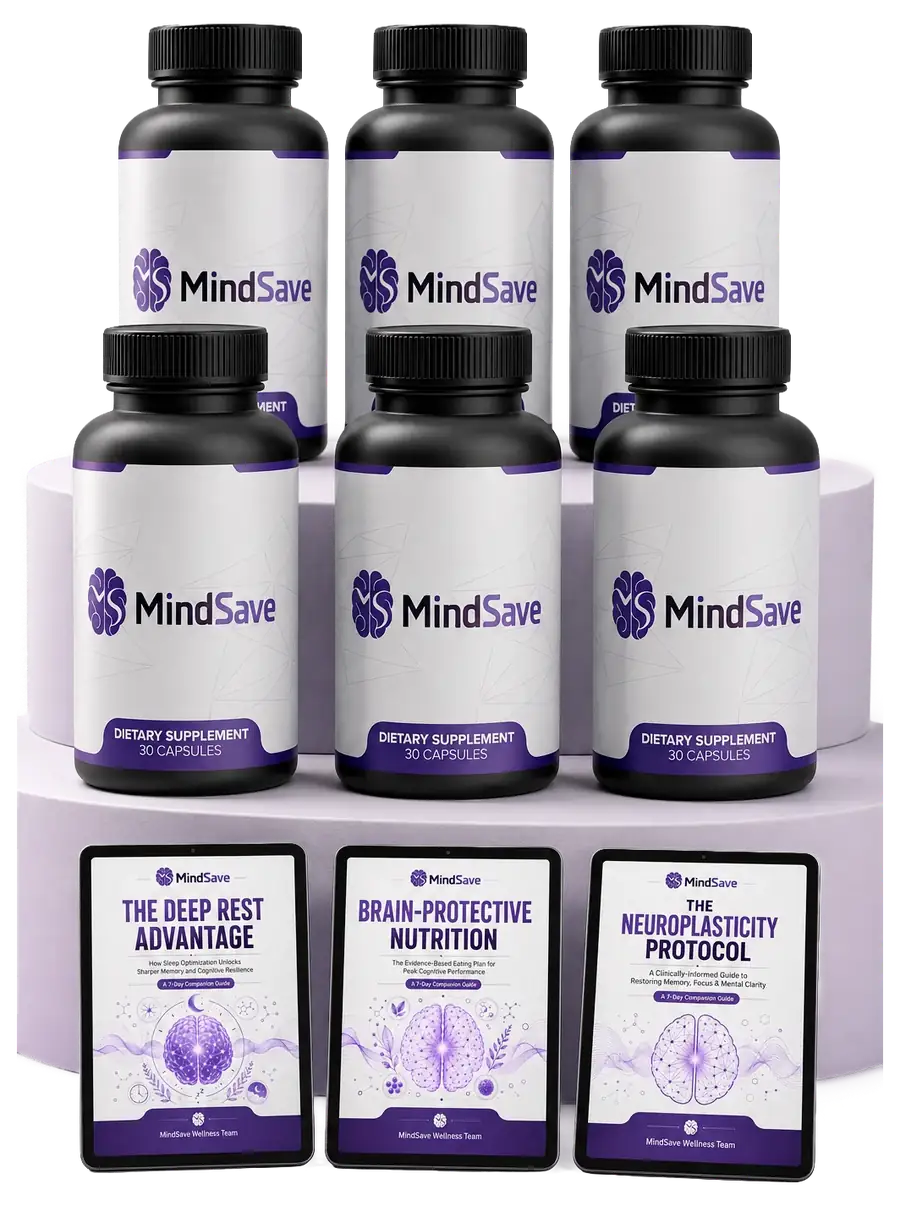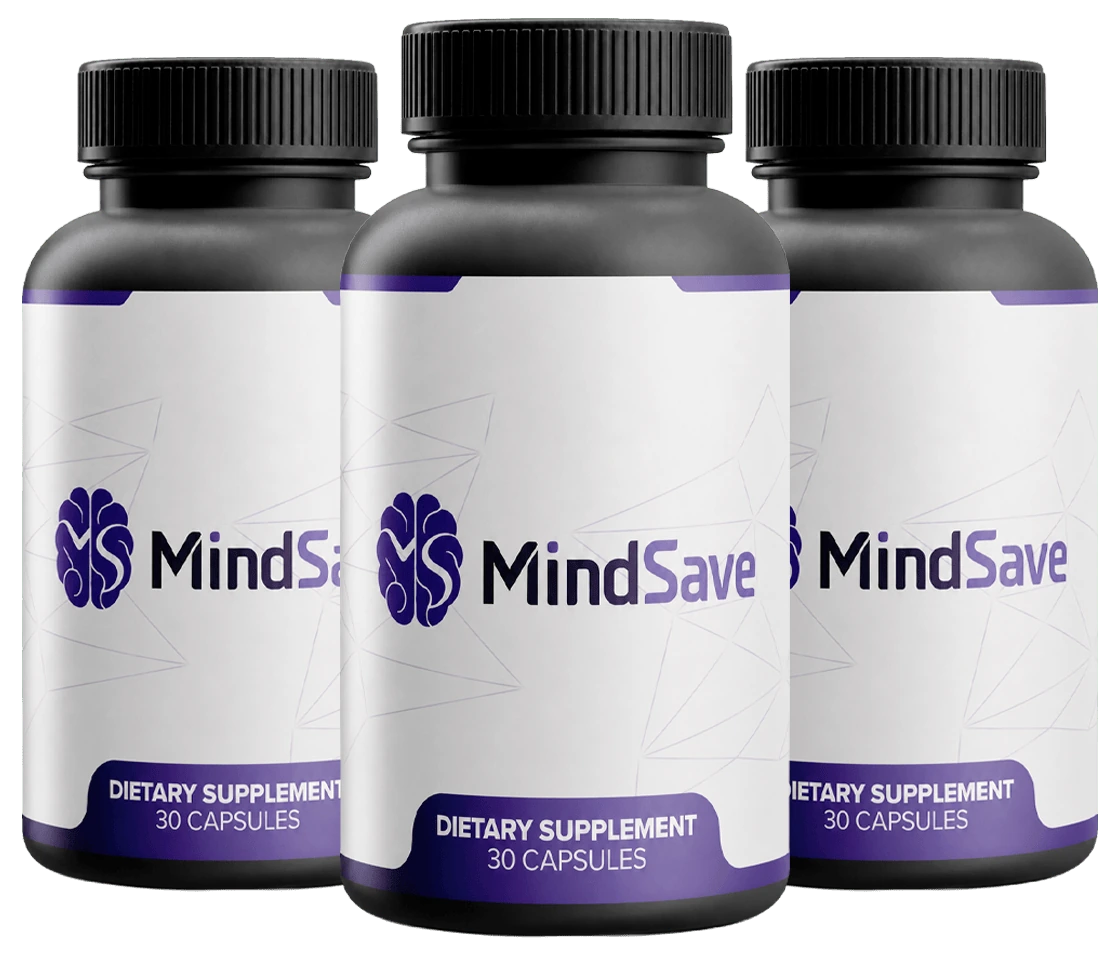
Is MindSave safe?
Safe is a big word, and a web page cannot give it to you. What a page can do is lay out what is printed, what is not, and which questions belong in front of a doctor.
MindSave is meant for healthy adults aged 18 and over. The directions are short: one capsule daily, with a glass of water of 6 to 8 oz. The label asks you not to take more than that. No published clinical trial has tested the finished product, so there is no safety study of the whole capsule to point to.
This is also a dietary supplement. It is not a drug and it is not FDA approved. If you want to know more about what that means, see our post on FDA approval.
What does the caution on the label say?
This is the caution printed on the bottle, quoted and not reworded: “Do not exceed the recommended dose. Pregnant or nursing mothers, children under 18 and individuals with a known medical condition should consult a physician before using this or any dietary supplement. Keep out of reach of children. Do not use if the safety seal is damaged or missing.”
Four points sit inside that. Stay at one capsule. Ask a physician first if you are pregnant, nursing, under 18 or living with a known condition. Store it where children cannot reach it. And check the seal before you open the bottle.
What side effects does MindSave have?
The seller does not print a list of side effects on its sales page, and this desk will not invent one. Among the eight reviewers on record, none describes a side effect. That is a thin record. It does not show that nothing happens to anyone. It only shows that this desk holds no such report.
What helps is a plain rule: if you feel unwell after starting any supplement, stop and talk to a doctor or pharmacist, and bring the bottle. The panel on the back lists every ingredient and its amount, and that is the page the person will want to see.
The sales page prints no amounts, so nobody can weigh an interaction by size from this website. The bottle panel is the paper to take to that talk.
What if you avoid stimulants?
This one decides the purchase for some people. None of the eight names on the sales page is a stimulant. But the seller’s artwork also holds a flat label image with a different formula, and that formula includes a blend featuring caffeine from green coffee, theacrine and theobromine.
This desk cannot tell which list matches the bottle shipping this month, so it does not repeat any figure from that second panel as the contents of a capsule. Maybe you are watching your blood pressure, are pregnant or nursing, sleep badly or simply avoid caffeine. In any of those cases, study the panel on your bottle before the first capsule. If it surprises you, the 60-day guarantee is the way out.
Can MindSave stack with a multivitamin?
Two of the eight names are vitamins, and both have published upper limits. Adults have a tolerable upper intake of 100 mg a day for vitamin B6 and of 35 mg a day for supplemental niacin. The B6 figure covers food and supplements together. You can read them on the vitamin B6 fact sheet and the niacin fact sheet.
The sales page prints no amount for either one, so you cannot do the sum before you buy. Do it once the bottle arrives. Put the MindSave panel next to the panel on your multivitamin or B-complex and add up the B6 and the niacin. If the total looks close to a limit, ask a pharmacist.
| Vitamin | Upper level for adults | Counts |
|---|---|---|
| Vitamin B6 | 100 mg a day | Food and supplements together |
| Supplemental niacin | 35 mg a day | Supplements, as published by NIH |
Who should talk to a doctor before starting?
The label names some groups, and common sense adds a few. Talk to a doctor or pharmacist first if any of these fit you.
- You are pregnant or nursing. MindSave is not for you.
- You take prescription medicine of any kind, and you have not shown the bottle panel to the person who prescribes it.
- You have a known medical condition, including blood pressure that you are watching.
- You already take a multivitamin, a B-complex or another memory or focus product.
- You are worried about your memory. That is a reason to book an assessment, not a reason to start a capsule instead.
You can also read the plain advice from MedlinePlus on dietary supplements. It is a good place to start before you add anything new to your day.
Which medicines call for a question?
Huperzine A is the one name on the list that points to a specific conversation. It pulls the opposite way to a group of anticholinergic medicines: antihistamines, sleep aids, antipsychotics, muscle relaxants and urinary incontinence drugs. The same is true of prescribed cholinesterase inhibitors.
If you take one of those, you do not need a general worry. You need one specific question for your doctor or pharmacist, and the bottle panel in your hand. The NIH page on how medicines and supplements can interact explains why the list of names matters.
A second note concerns alpha GPC. A 2021 cohort study reported an association between prescribed alpha GPC and later stroke risk, and a 2025 cohort looked at delayed dementia conversion in people who used it. A European safety panel assessed it as a novel food in 2026. These studies looked at the prescription drug or at other outcomes, not at this capsule, and the picture is not settled. Mention it if you or your doctor is thinking about stroke risk.
Frequently asked questions
Is MindSave safe to take every day?
Each day you take one capsule, with 6 to 8 oz of water; the label says not to go over that. How safe it is over the long run has not been studied for the finished capsule, so ask a doctor if you plan to use it for months.
What are the side effects of MindSave?
The seller prints no list, and none of the eight reviewers on record describes one. If you feel unwell, stop, and talk to a doctor or pharmacist with the bottle and its Supplement Facts panel in hand.
Does MindSave contain caffeine?
Not in the eight names on the sales page. A different formula in the seller’s artwork lists caffeine from green coffee, theacrine and theobromine. Check the panel on your bottle before the first capsule.
Can I take MindSave with other vitamins?
Take care with B-complexes and multivitamins, which may already hold both vitamins. The ceilings are 100 mg a day for B6 and 35 mg a day for supplemental niacin. Compare both panels.
Who should not take MindSave?
Under-18s, anyone pregnant or nursing, and anyone living with a known condition who has not yet seen a physician. People taking anticholinergic medicines or cholinesterase inhibitors have a specific question to raise first.
What should I do if my bottle seal is broken?
Do not use it. According to the label, a damaged or missing safety seal means the product should not be used. Call order support, +1 (302) 200-3480, and have the order ID ready.
Our view
We do not call MindSave dangerous and we do not call it safe for everyone. Those are not honest answers to give from a web page. What we can say is that the label is clear, the directions are short, and the two real conversations are the vitamin limits and the huperzine A question.
Our advice is to treat the bottle panel as the main document. Read it with a doctor or pharmacist if you take any medicine or have any known condition. And if you avoid stimulants, read it before the first capsule, not after the tenth.
What this is and is not. MindSave is a dietary supplement. It is not a drug, it is not FDA approved, and no dietary supplement is. Nothing on this page presents it as a treatment for memory loss, dementia, Alzheimer’s disease, mild cognitive impairment or any other condition. If your memory or thinking is changing in a way that worries you, talk to a doctor. Ask a doctor or pharmacist before use if you take any prescription medicine.
Last updated October 16, 2026
Sources named on this page
- NIH Office of Dietary Supplements. Vitamin B6: Fact Sheet for Health Professionals. https://ods.od.nih.gov/factsheets/VitaminB6-HealthProfessional/
- NIH Office of Dietary Supplements. Niacin: Fact Sheet for Health Professionals. https://ods.od.nih.gov/factsheets/Niacin-HealthProfessional/
- National Center for Complementary and Integrative Health, National Institutes of Health. Know the Science: How Medications and Supplements Can Interact. https://www.nccih.nih.gov/health/know-science/how-medications-supplements-interact
- Ghassab-Abdollahi N, Mobasseri K, Dehghani Ahmadabad A, Nadrian H, Mirghafourvand M. The effects of Huperzine A on dementia and mild cognitive impairment: An overview of systematic reviews. Phytother Res. 2021;35(9):4971-4987. PMID 33851462. https://pubmed.ncbi.nlm.nih.gov/33851462/
- EFSA Panel on Nutrition, Novel Foods and Food Allergens (NDA); Turck D, Bohn T, Camara M, et al. Safety of L-alpha-glycerylphosphorylcholine (L-alpha-GPC) from soya phospholipids (lecithin) as a novel food pursuant to Regulation (EU) 2015/2283. EFSA J. 2026;24(5):e10008. PMID 42131868. https://pubmed.ncbi.nlm.nih.gov/42131868/
- National Institute on Aging, National Institutes of Health. Cognitive Health and Older Adults. https://www.nia.nih.gov/health/brain-health/cognitive-health-and-older-adults