MindSave Official Website Label Desk Niacinamide, Not Niacin: Why The Form Was Chosen
Niacinamide, Not Niacin: Why The Form Was Chosen
The first of MindSave's eight names is not simply “niacin.” The sales page and the label both specify niacin as niacinamide, and that parenthetical is doing real chemical work. Niacin and niacinamide are two different forms of vitamin B3, and one of them causes a flush the other does not.
- Two forms, one vitamin. Nicotinic acid (the form usually meant by plain “niacin”) and nicotinamide, also called niacinamide, both count toward vitamin B3 intake but behave differently in the body.
- The flush has a receptor. Nicotinic acid activates GPR109A on skin immune cells, triggering a chain of prostaglandins that dilate capillaries. That is the mechanism behind a niacin flush.
- Niacinamide does not do this. It is why “no-flush niacin” and niacinamide-based formulas exist, and why a label naming niacinamide specifically is not an accident.
- The amount still is not printed. MindSave names the form correctly but, like its other seven names, states no milligram figure for it.
Two forms, one letter apart
Vitamin B3 comes to a supplement shelf under two common chemical names that are frequently, and wrongly, used as if they were interchangeable. Nicotinic acid, the compound most people mean when they say plain “niacin,” is one form. Nicotinamide — niacinamide is the same molecule under its more familiar marketing name — is the other. Both are absorbed and used by the body to build NAD and NADP, the coenzymes vitamin B3 is required for. Where they diverge is everything that happens in the minutes after a capsule containing one or the other is swallowed.
MindSave's own ingredients page already states the distinction plainly: niacinamide is “the B vitamin form used when a formulator wants niacin without the flush that nicotinic acid can cause.” This page is the fuller explanation of why that sentence is true, and what “the flush” actually is at a receptor level.
What actually causes the flush
A 2009 review in the International Journal of Clinical Practice lays out the mechanism in detail. Nicotinic acid activates a specific cell-surface receptor, G protein-coupled receptor 109A, found on dermal Langerhans cells in the skin. Activating that receptor increases arachidonic acid and, from it, prostaglandins — specifically prostaglandin D2 and prostaglandin E2. Those prostaglandins then activate their own downstream receptors on capillaries: the prostaglandin D2 receptor (DP1) and two prostaglandin E receptors (EP2 and EP4). The end result of that four-step chain is cutaneous vasodilation — blood vessels near the skin surface widening — which is what a person experiences as flushing: warmth, redness and sometimes an itching or tingling sensation, typically across the face, neck and chest.
None of that is a side effect in the sense of an unpredictable reaction. It is the receptor doing exactly what it is built to do when nicotinic acid binds it. The review notes that tolerance to the flush develops rapidly with repeated dosing, which is itself evidence that the mechanism is a specific, describable pharmacological pathway rather than a generic irritation.

Why niacinamide skips it
Niacinamide's molecular structure differs from nicotinic acid at the exact site that matters for this receptor interaction: nicotinic acid carries a carboxylic acid group, and niacinamide carries an amide group in its place. That structural difference is enough to change how, and whether, the molecule engages GPR109A. Niacinamide does not trigger the same receptor cascade at typical supplemental intakes, which is the pharmacological reason a niacinamide-based product can supply vitamin B3 activity without the characteristic flush.
This is also the reason “no-flush niacin” exists as a marketing category distinct from plain niacin on nutrition shelves generally: formulators who want to avoid explaining a flush to a first-time buyer often reach for niacinamide, or occasionally inositol-bound niacin, specifically because the flush pathway described above depends on the parent compound's structure, not on the vitamin B3 activity itself. A product can deliver the vitamin without triggering the mechanism, because the mechanism and the vitamin function are not the same thing.
How the industry mitigates the flush anyway
The same review also covers what happens when a product does use nicotinic acid and still wants to blunt the flush, because niacinamide is not the only strategy in use. Extended-release nicotinic acid formulations slow absorption and have been shown to reduce flushing incidence, duration and severity compared with immediate-release crystalline niacin at similar cholesterol-lowering doses. A non-steroidal anti-inflammatory drug, notably aspirin taken about thirty minutes before an extended-release dose at bedtime, further reduces flushing by acting further down the same prostaglandin cascade described above. A prostaglandin D2 receptor antagonist called laropiprant, combined with extended-release niacin, was also studied as a flush-blocking combination, though the review notes that significant residual flushing still occurred at clinically relevant doses even with that combination.
All of that machinery exists because nicotinic acid's cardiovascular benefits — its effects on cholesterol particles, which is why the review frames niacin as “an attractive option for treating dyslipidemic patients” — are tied to the same receptor pathway that causes the flush, so mitigating the flush without losing the benefit takes real pharmacological effort in that context. A cognition-supplement formulator has an easier route available: skip nicotinic acid's flush-linked mechanism entirely by using niacinamide, which is not chasing the same cholesterol effect and has no flush problem to solve in the first place.
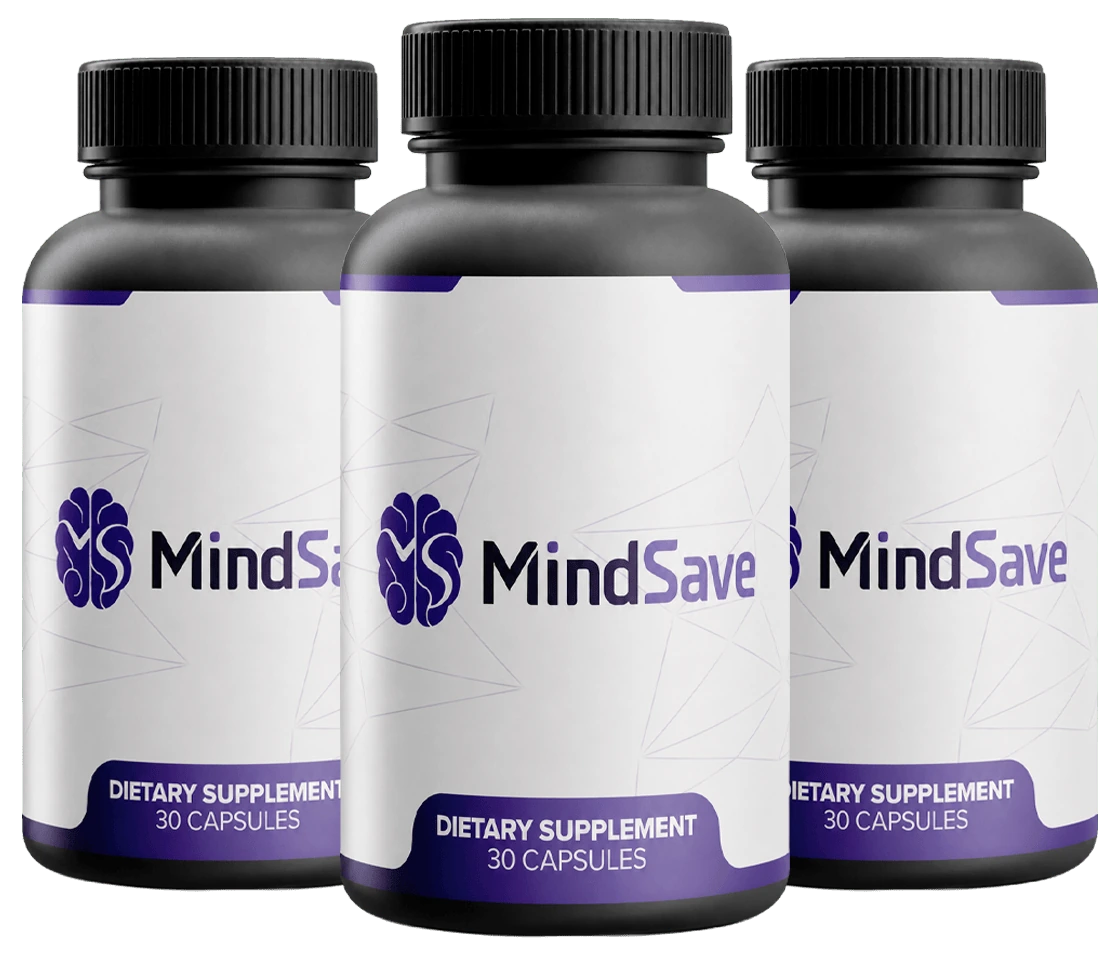
MindSave on the official website
One capsule a day, thirty to a bottle, eight ingredients named before you buy and every amount printed on the panel that travels with them. Sixty days to send the bottles back, empty ones included.
Order MindSaveWhat the two forms share
None of this chemistry changes the reference numbers already set out on the eight-names page: adult niacin intake is recommended at 16 mg NE a day for men and 14 mg for women, with a tolerable upper intake level of 35 mg a day from supplements and fortified food. Those figures describe niacin equivalents broadly and are the numbers the NIH Office of Dietary Supplements publishes for the vitamin, not a form-specific variant. What the form changes is not how much vitamin B3 activity a person is getting; it is whether the specific flush pathway described above is in play at all while getting it.
It is also worth being precise about what niacinamide does not eliminate. Choosing the non-flushing form of vitamin B3 says nothing about total intake from other sources — a multivitamin, a fortified cereal, or another supplement in the same daily routine can still add up toward the 35 mg upper level regardless of which form of B3 is contributing the milligrams, since that ceiling is set on the nutrient as a whole rather than on one chemical form of it.
A caution the flush chemistry does not erase
Form selection is not the only route product formulators use to reduce flushing, and it is worth knowing the other one exists, because it carries a different trade-off rather than a free pass. A separate 2003 review on niacin product selection for dyslipidemia describes how nicotinic acid itself is metabolised through two competing liver pathways: a conjugation pathway and what the paper calls the nicotinamide pathway. Standard immediate-release nicotinic acid runs mostly through the conjugation route, which produces a high frequency of flushing. Long-acting niacin products shift metabolism toward the nicotinamide pathway instead, which cuts flushing — but the same review notes this comes with an increased risk of hepatotoxicity at the high, cholesterol-lowering doses that review is concerned with. Extended-release formulations aim for a more balanced split between the two pathways specifically to limit both problems at once.
That finding describes a metabolic pathway inside the body after nicotinic acid is absorbed, at doses used for cholesterol management, and it is not the same statement as “niacinamide taken directly carries a liver risk.” It is included here as an honest caveat rather than an alarm: “less flushing” is not, on its own, proof that a product carries no other consideration, and the two ways of getting there — choosing niacinamide as the starting ingredient, versus shifting a nicotinic acid product's own metabolism toward a nicotinamide pathway in the liver — are chemically related but not identical routes, studied in different contexts and at different intakes than a once-daily cognition capsule.
Why this matters on a cognition label
A flush is not dangerous in the way the word “side effect” can sound; it is a visible, temporary, and in most people harmless vasodilation response. But it is also the kind of thing that would make a first-time buyer of a once-daily cognition capsule wonder whether something had gone wrong, particularly if the label gave no warning. Specifying niacinamide rather than plain niacin is a small, verifiable piece of formulation care that avoids that entire conversation, and the mechanism above is the reason it works: the flush and the vitamin are separable because they run through different parts of the molecule.
What remains unchanged is the same gap this website returns to on every one of the eight names: MindSave's sales page correctly specifies the form, niacinamide, but prints no milligram amount for it, so this page cannot say how much of the vitamin, in either form, a capsule actually contains. What to check when the bottle arrives covers where that number does eventually show up.
None of this is a large claim. A formulator choosing niacinamide over plain niacin has made one narrow, verifiable decision correctly: the compound named on the label does not carry the specific GPR109A-mediated flush pathway that nicotinic acid does. It is a smaller fact than “supports memory” or “supports focus,” and it is exactly the kind of fact this website prefers, because it is one a reader can check against a primary source rather than take on trust. The receptor, the prostaglandins and the vasodilation described above are published pharmacology, open to anyone who wants to read the review behind them, and they describe the difference between two named chemicals rather than a promise about what either one does inside this particular capsule, which is the same standard this website tries to hold every one of its eight names to.
What this is and is not. MindSave is a dietary supplement. It is not a medicine, and nothing here presents niacinamide or any of its other seven names as a treatment for any diagnosed condition. The chemistry described above is general pharmacology of vitamin B3's two common forms, not a claim about this specific product's dose or effect. Speak to a doctor or pharmacist before combining supplements that may overlap in nutrient content.
Sources cited above
- Kamanna VS, Ganji SH, Kashyap ML. The mechanism and mitigation of niacin-induced flushing. Int J Clin Pract. 2009;63(9):1369-77. PMID 19691622. https://pubmed.ncbi.nlm.nih.gov/19691622/
- McKenney J. Niacin for dyslipidemia: considerations in product selection. Am J Health Syst Pharm. 2003;60(10):995-1005. PMID 12789870. https://pubmed.ncbi.nlm.nih.gov/12789870/
- NIH Office of Dietary Supplements. Niacin: Fact Sheet for Health Professionals. https://ods.od.nih.gov/factsheets/Niacin-HealthProfessional/
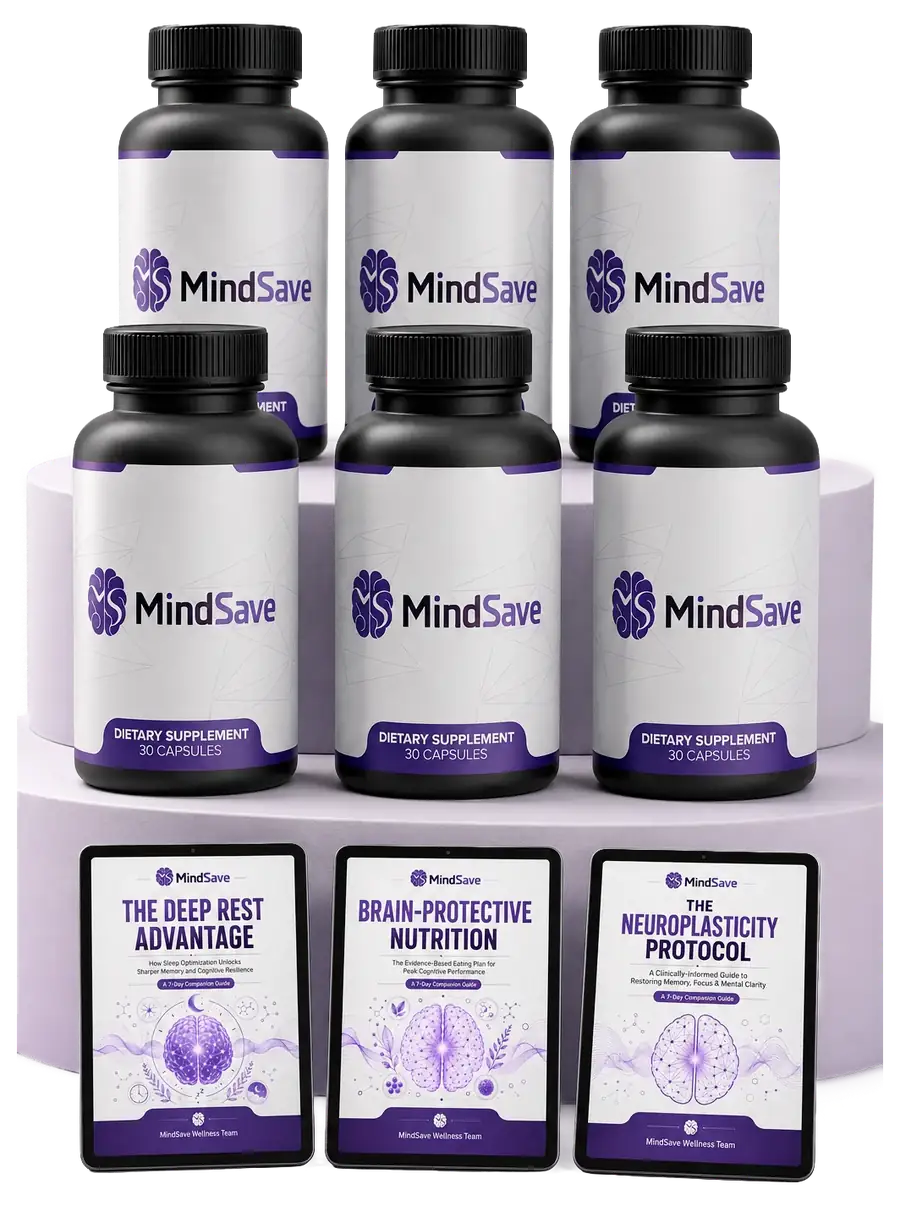
Order MindSave on the official website
Eight names published before the sale, every amount printed on the panel that arrives with the bottles, and sixty days to change your mind.
$49 to $79 a bottle · 60 days to change your mind
Order MindSave On The Official WebsiteFree US shipping on six bottles · 60-day money-back guarantee, empty bottles accepted · lot MIN-26/MI-7343